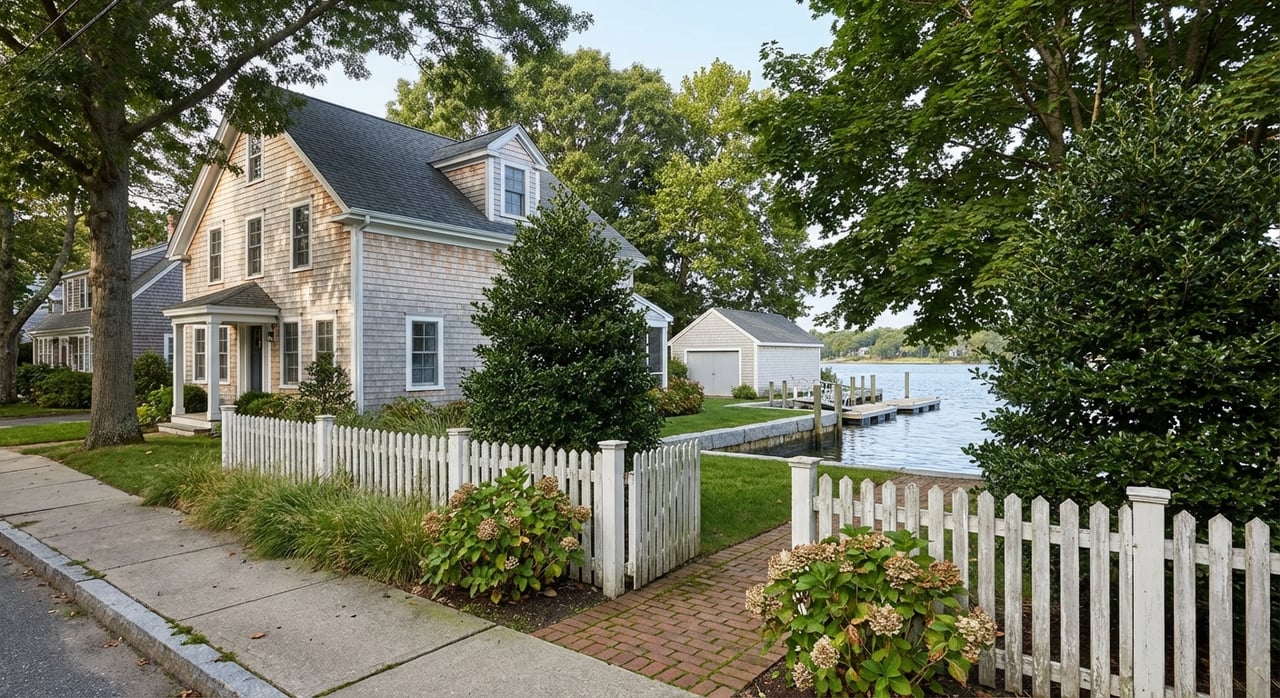
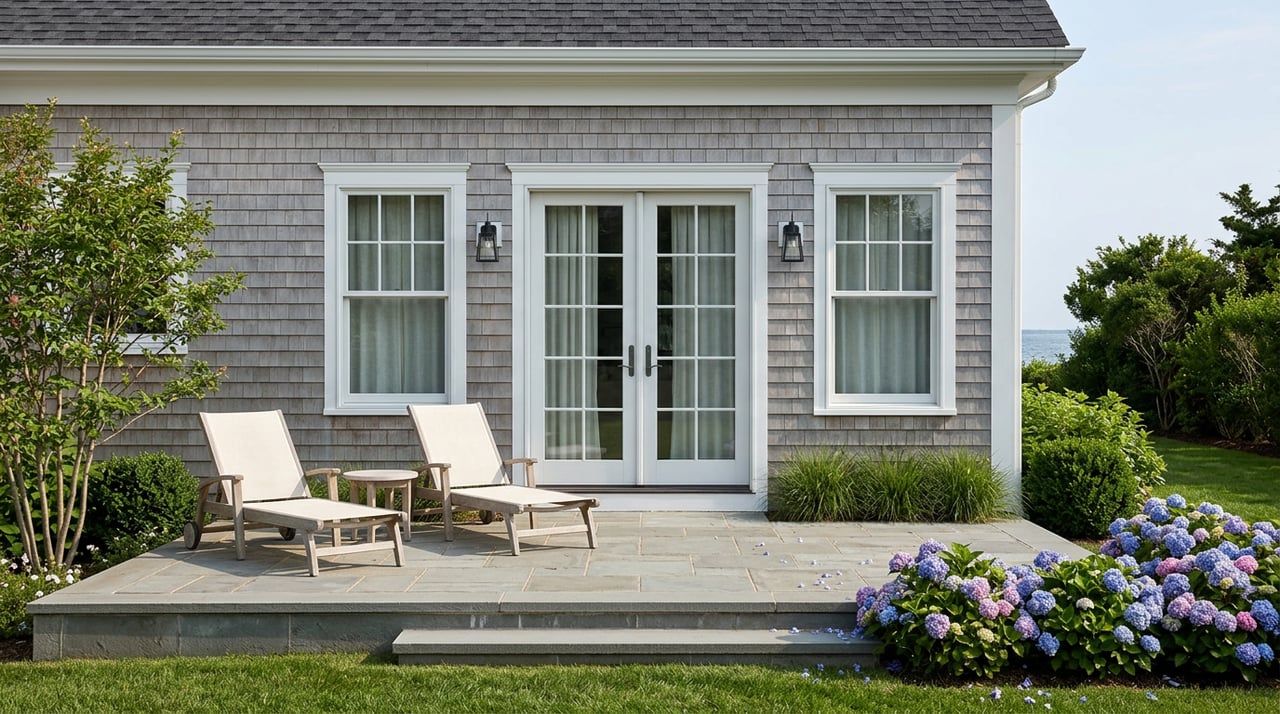
Salt air in the morning, sunset walks on the boardwalk at night — if you are picturing a life by the water in Rye, you are not alone. The Sound Shore draws you in with calm harbors, classic homes, and a true four-season rhythm. This guide gives you a clear look at where to live near the water, how the beaches and marinas work, and what to know about flood maps, insurance, and seasonal water quality. You will also find a simple checklist and trusted local links to make next steps easy. Let’s dive in.
Waterfront neighborhoods at a glance
Rye’s shoreline is compact, so you can be close to the water even if you are a few blocks inland. The most water-oriented areas cluster around Milton Harbor, Greenhaven along the Sound, and the Manursing shoreline. Each pocket offers a different mix of architecture and access.
Milton Point and Milton Harbor
Milton Point puts you near Rye Town Park, Playland, and the City Boat Basin. You will see everything from charming beach cottages to modern waterfront rebuilds with broad glass and outdoor decks. Many homes highlight slips, moorings, or short walks to beaches and club amenities. Always confirm whether any shore or dock rights are deeded or part of a club or association.
Greenhaven
Greenhaven is known for a neighborhood association with private beach access and a low-key coastal feel. You will find mid-century homes, Colonials, and Tudor revival styles along quiet streets. If deeded beach access is important to you, review the association’s materials and confirm the exact rights for a given property. The Greenhaven neighborhood association is a good starting point for context.
Manursing Island and nearby clubs
Along Manursing and adjacent shoreline streets, the draw often includes private-club amenities. Buyers value tennis, pools, junior programs, docks, and a busy social calendar. Club membership rules, waitlists, and guest policies vary by institution and can be as important as the house itself. If sailing is part of your plan, the American Yacht Club offers instruction and racing programs.
Beaches and shoreline parks
Rye’s waterfront lifestyle centers on two public beaches and several nature preserves that line the Sound. Summers are lively. Shoulder seasons bring quiet trails and birding. Winter can be stark but beautiful.
Playland Beach and boardwalk
Playland is a county-owned amusement park with a beachfront boardwalk that anchors summer fun in Rye. Check official county updates for operating plans and seasonal details. You can review the latest opening information in county releases, like the note on the 2025 season from Westchester County. Expect a classic boardwalk vibe, family outings, and holiday fireworks when the season is in full swing.
Rye Town Park and Oakland Beach
Rye Town Park is the other major public beach complex, with a wide sandy stretch, lawns, and historic structures. Access and parking typically use resident vs. non-resident permits, and fees can change each season. Before summer, review current rules and hours via the Town’s updates, such as this overview of seasonal permit and parking rules.
Preserves and nature access
The shoreline also includes trails and habitat areas that are peaceful year-round. The Edith G. Read Wildlife Sanctuary offers birding and Sound views next to Playland. Learn more about the sanctuary and wildlife watching from the state’s site for Edith G. Read Wildlife Sanctuary. Nearby, Marshlands Conservancy features salt marshes, meadows, and quiet paths. These areas are ideal for long walks, winter sunsets, and gentle kayak launches when conditions allow.
Marinas, moorings, and clubs
If boating or paddling is part of your plan, make the City Boat Basin your first call. The George W. DePauw Municipal Boat Basin manages roughly 350 slips, moorings, winter storage, and kayak racks. You can review services, waitlists, fee schedules, and dredging updates on the City page for the Rye Boat Basin. Dredging schedules and channel depths matter, especially for larger drafts, so confirm current conditions before you buy a home that depends on private dock access.
Private clubs remain central to the Sound Shore lifestyle. The American Yacht Club offers sailing programs and waterfront access on Milton Point. Manursing Island Club and other member-only shore clubs provide pools, tennis, and social calendars. Membership processes, costs, and guest rules vary. If club life is a priority, contact clubs early to understand timing and availability.
What life feels like by season
Summer
Beaches are full, the boardwalk buzzes, and junior sailing and camp programs keep families busy. You will see paddleboards at sunrise, sailboats dotting the Sound, and easy picnic dinners after a swim. County updates highlight Playland operations and events; check Westchester County’s Playland news for seasonal details.
Spring and fall
Shoulder seasons are a sweet spot. Trails are open and quiet at Read and Marshlands. Boating continues in calmer marinas. Restaurants feel relaxed, and you can often walk the beaches without the summer crowds.
Winter
The waterfront slows down but stays scenic. Expect empty beaches, dramatic skies, and the practical work of the coast: dredging, seawall repairs, and post-storm maintenance. Homeowners often use winter for planning and resilience upgrades.
Smart buyer essentials by the water
Waterfront living comes with unique due diligence. Use the resources below to check a property’s status before you make an offer.
Flood zones and elevation checks
Start with FEMA’s Flood Map Service Center. Enter the address to view the effective map panel and base flood elevation. This is the baseline for lender requirements and flood insurance. Look up any Rye property at FEMA’s Flood Map Service Center. If you see VE or AE zones, ask for details on elevation, utilities, and any coastal construction features that reduce risk.
Flood insurance and financing
Flood insurance is separate from homeowners coverage. Pricing now reflects many property-specific factors under FEMA’s Risk Rating 2.0. If your mortgage is federally backed and the home sits in a Special Flood Hazard Area, coverage is typically required. Get quotes from both the NFIP and private carriers. Learn the basics and request a quote at FloodSmart (NFIP).
Elevation certificates and mitigation
An elevation certificate can affect both insurance costs and loan conditions. Ask the seller if one exists. If not, budget time for a survey. Many coastal homes reduce risk by elevating mechanical systems, using flood vents in enclosures, and maintaining bulkheads or seawalls. Your engineer or contractor can check these features against local code and FEMA guidance.
Water quality and beach closures
Water quality in Long Island Sound varies by location and weather. After heavy rain, local health departments may post temporary swim advisories or closures. For planning, review Save the Sound’s multi-year beach grades and county health notices. Use Save the Sound’s resources to explore current and historical data on Sound beaches.
Park permits and beach access rules
Public beaches in Rye rely on seasonal permits and may differentiate between residents and non-residents, especially for parking on peak weekends. Rules and fees can change each year. Check updates before the season via the Town’s permit and parking guidance.
Docks, moorings, and dredging
If you plan to keep a boat at home or rely on a nearby slip, confirm whether a dock is private and deeded, and ask about any required permits. Depth and dredging history affect access, especially at low tide. The City posts updates and policies for slips, moorings, and surveys at the Rye Boat Basin.
Getting around and commuting
Rye sits on Metro-North’s New Haven Line, which keeps your NYC commute straightforward. For exact schedules and travel times, see the Metro-North Railroad. Many waterfront pockets are a short drive to the station, so you can pair Sound Shore living with a city workweek.
Quick buyer checklist
- Verify flood status for the exact address at FEMA’s Flood Map Service Center. Save the FIRM panel and note the base flood elevation.
- Get flood insurance quotes from FloodSmart (NFIP) and at least one private carrier. Ask the seller for an elevation certificate.
- Review beach permits and seasonal access via the Town’s Rye Town Park rules.
- Confirm boat storage, slip waitlists, and dredging status with the Rye Boat Basin. If the home includes a dock, verify permits and depth.
- Check multi-year water quality trends with Save the Sound. Plan for possible wet‑weather swim advisories.
- If a private-club lifestyle matters, contact the American Yacht Club about programs and membership timing.
Ready to explore homes by the water and navigate the details with confidence? Reach out to Jenny Jaffe for calm, hands-on guidance tailored to Rye’s shoreline market.
FAQs
Do Rye waterfront homes require flood insurance?
- If the property is in a Special Flood Hazard Area and you use a federally backed mortgage, lenders typically require it. Confirm by looking up the address at FEMA’s Flood Map Service Center and speaking with your lender.
Is beach access guaranteed with a Rye waterfront home?
- Not always. Some pockets include deeded or association beach rights while others rely on public beaches or club access. Review the deed and any HOA or club materials, and check neighborhood resources like Greenhaven’s association.
How reliable is swimming water quality at Rye beaches?
- It varies with weather and local conditions. After heavy rain, temporary advisories or closures can occur. For planning, review multi-year trends and current updates from Save the Sound.
Can I keep a boat near home in Rye?
- Possibly. Some homes have private docks or moorings, often with permits. For municipal slips, waitlists, and moorings, contact the City’s Rye Boat Basin.
What should I ask about docks and dredging before buying?
- Confirm whether the dock is private and deeded, verify permits, and ask about channel depths and recent dredging. The City posts policies and updates at the Rye Boat Basin.