
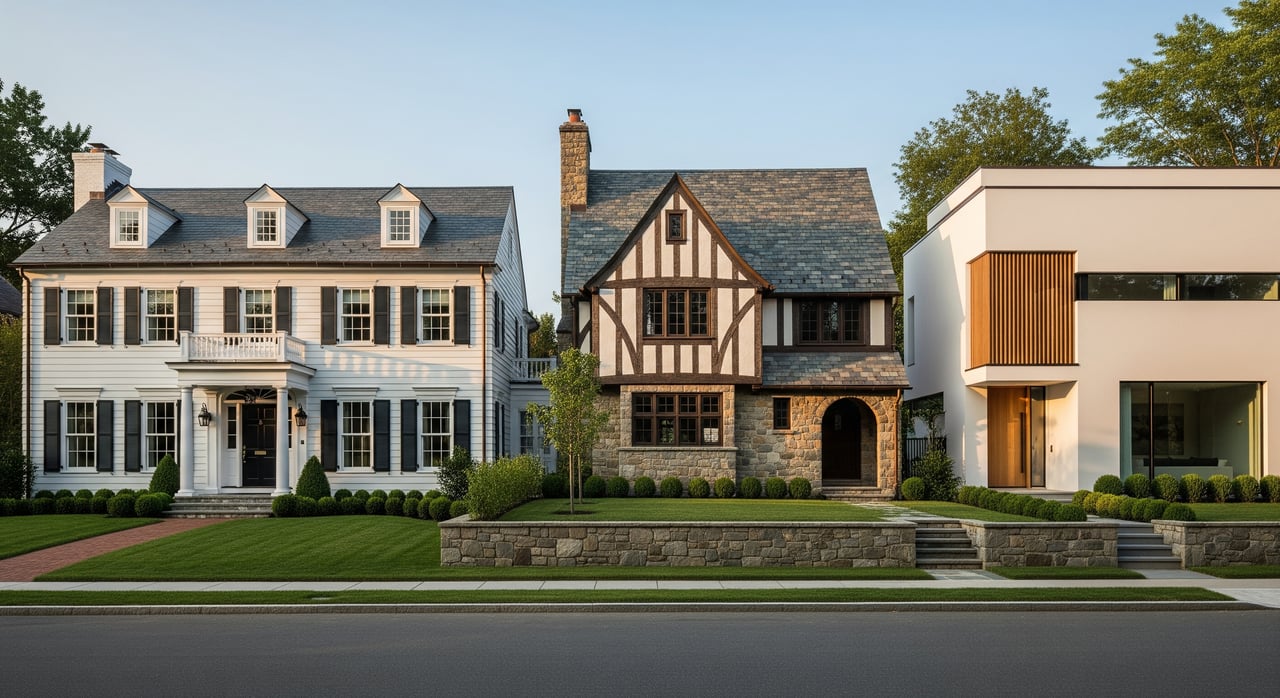
Looking at homes in New Rochelle and wondering which style fits your life best? You have lots of options here, from timeless Colonials and storybook Tudors to glassy Moderns with open layouts. Choosing the right style affects how you live day to day, what you will maintain, and how your home will perform at resale. This guide breaks down how to spot each style, what to expect inside, key maintenance and renovation notes, and what tends to attract buyers. Let’s dive in.
Why New Rochelle offers so much variety
New Rochelle blends historic neighborhoods, waterfront estates, mid‑century development, and newer infill near transit and downtown. In older planned areas, such as the Rochelle Park–Rochelle Heights district listed on the National Register of Historic Places, you will find many Colonial Revival and Tudor Revival homes alongside other early 20th‑century styles.
Modern homes appear in mid‑century pockets and as newer custom or renovated properties, especially closer to the waterfront and commuter corridors. This mix means you can choose a style that fits your lifestyle, renovation appetite, and long‑term goals.
Before you plan exterior work, verify what rules apply. Check City of New Rochelle building permits, zoning, and whether the property lies in a local historic district that may require design review. When in doubt, speak with the City’s Building Department and any local preservation body early in the process.
Colonial homes at a glance
How to spot a Colonial
- Symmetrical front facade with a centered front door.
- Multi‑pane double‑hung windows, sometimes with shutters.
- Side‑gabled roof or gambrel roof on Dutch Colonial variants.
- Paneled entry door with a simple pediment or small portico.
- Wood clapboard or brick siding.
Inside the layout
Expect a central hall with formal living and dining rooms, and a separate kitchen in older examples. Bedrooms are typically upstairs. You may see crown moldings, wainscoting, and built‑ins that add character and warmth.
Maintenance to plan for
Original wood windows are common. Many can be repaired; replacement can improve efficiency but may change the look. Wood clapboard needs periodic painting and rot checks, while brick may require repointing over time. Older Colonials often benefit from added attic and basement insulation and air sealing.
Renovations that pay off
Buyers love a classic Colonial with updated kitchens and baths, improved HVAC, and discreet energy upgrades. If you want a more open plan, removing load‑bearing walls typically requires a structural engineer, a beam or header, and permits.
Resale outlook
Colonials have broad appeal in Westchester thanks to their symmetry and family‑friendly layouts. Preserved millwork paired with modern systems tends to command strong interest.
Tudor Revival homes
How to spot a Tudor
- Steeply pitched, multi‑gabled roofs.
- Decorative half‑timbering with stucco infill on upper levels.
- Tall, narrow windows, sometimes leaded or casement style.
- Prominent chimneys with patterned brickwork or chimney pots.
- Arched front doors and rich masonry details.
Inside the layout
Rooms feel cozy and more compartmentalized. Look for exposed beams, plaster walls, built‑ins, and inglenook fireplaces in some homes. Floor plans often include angled rooms and charming nooks.
Maintenance watch‑outs
Stucco and half‑timbering should be checked for cracks and moisture intrusion. Masonry chimneys may need repointing, crown repair, or flue relining. Complex rooflines create more valleys and flashing points that require careful inspection and upkeep.
Renovation guidance
Plan kitchen and bath updates that respect the original character. Replacing leaded or casement windows to match historic profiles can be costly, so factor that into budgets. When roof or chimney work is due, hiring specialists pays off.
Resale outlook
Tudors deliver standout curb appeal in New Rochelle’s early 20th‑century neighborhoods. Intact period details and documented masonry or roof improvements are strong selling points.
Modern and mid‑century homes
How to spot a Modern
- Clean lines and minimal ornament.
- Large windows and glass walls that connect indoors and outdoors.
- Open floor plans with flexible living spaces.
- Low‑pitched or flat roofs in many mid‑century examples.
- Simple materials such as wood, glass, concrete, and metal.
Inside the layout
You will see open sightlines, generous windows, and built‑ins. Rooms tend to feel airy, with a focus on light and flow rather than formal separation.
Maintenance watch‑outs
Large expanses of glass affect energy performance. Upgrading to thermal or low‑E glazing can help. Flat or low‑slope roofs need regular inspection to avoid ponding and leaks. Older mid‑century homes may have dated electrical or HVAC systems and potential asbestos or lead paint concerns.
Renovation guidance
Energy upgrades, modern HVAC, and window improvements can significantly enhance comfort. Some mid‑century materials and finishes are hard to match, so plan carefully if you want to preserve original detail.
Resale outlook
Modern homes appeal to buyers who want light, openness, and indoor‑outdoor connection. In markets that lean traditional, they can be a niche draw, but thoughtful landscaping and high‑performance windows add broad appeal.
Inspection and permitting checklist
A thorough prep makes for a smoother purchase or sale. Use this quick list during due diligence:
Across all styles
- Structure and foundation: look for cracks, settlement, and moisture in the basement.
- Roof and drainage: age, flashing, gutters, and downspouts.
- Systems: age and condition of HVAC or boiler, hot water heater, and electrical panel. Watch for knob‑and‑tube wiring in older homes.
- Moisture management: grading, cellar dampness, sump pump presence.
- Hazardous materials: ask about lead paint in pre‑1978 homes and possible asbestos in insulation or older materials.
Style‑specific red flags
- Colonial: deteriorating clapboard or trim, sagging porch roofs, obsolete wiring.
- Tudor: cracked stucco, timber rot under half‑timbering, chimney and masonry deterioration.
- Modern: flat roof membrane wear, single‑pane glazing, site drainage that affects low‑sloped roofs, and potential asbestos in mid‑century houses.
Permits and approvals
- Confirm municipal building permit requirements before starting work.
- Check for any local historic district or landmark status that could require design review for exterior changes.
- Structural changes, like removing walls, need engineered plans and inspections.
Photo checklist for shopping or prepping to sell
Great photos tell the home’s story and support a smooth inspection and marketing plan.
Exterior essentials
- Wide front elevation that shows the house in context.
- Signature details: Colonial entry pediment or shutters; Tudor half‑timbering, arched door, and chimney; Modern glazing, roofline, and fascia.
- Roofline close‑ups and gutter or flashing views.
- Front door hardware and any unique features.
Interior must‑haves
- Living room with fireplace, kitchen, main bedroom, and main bath.
- Character shots: moldings, built‑ins, exposed beams, leaded glass, staircases.
- Systems: clear photos of HVAC equipment labels, hot water heater, electrical panel.
- Basements or attics: framing, insulation, and any recent upgrades.
- Outdoor spaces: porches, patios, and any views, especially near the waterfront.
Words you will hear
- Double‑hung window: Window with two sashes that slide vertically; common in Colonials.
- Casement window: Side‑hinged window that swings outward; seen in Tudors and older homes.
- Half‑timbering: Decorative wood framing with stucco infill, a Tudor hallmark.
- Clapboard: Horizontal wood siding typical of Colonials.
- Gambrel roof: Two slopes on each side of the roof, found on some Dutch Colonials.
- Dormer: A windowed projection that adds light and headroom in a sloped roof.
- Ingle‑nook: A small recessed seating area near a fireplace, common in Tudors.
- Repointing: Repairing mortar joints in brick or stone work.
- Sash: The movable frame that holds window glass.
- Cornice: Decorative molding along the top of a wall or facade.
- Structural vs non‑structural wall: Load‑bearing versus partition walls. Critical when opening floor plans.
- Historic district: A designated area where exterior changes may be regulated.
Choosing the right style for you
If you love symmetry, formal rooms, and traditional curb appeal, a Colonial may fit you well. If you want storybook character with rich materials, a Tudor could be ideal. If you prefer open flow, light, and a minimalist look, Modern might be a better match.
Balance your wish list with maintenance and renovation comfort. Colonials and Tudors often require attention to wood, masonry, and original windows. Modern homes may need roof membrane care and glazing upgrades. Think about your renovation scope, energy goals, and resale horizon as you compare options in different New Rochelle neighborhoods.
How we can help in New Rochelle
With deep roots in Westchester’s Sound Shore, we help you evaluate style, condition, renovation needs, and resale potential before you make a move. Our hands‑on process includes staging guidance, contractor coordination, inspection support, and data‑driven pricing that targets the right buyers.
Ready to explore Colonials, Tudors, or Modern homes in New Rochelle with a calm, trusted advisor by your side? Connect with Jenny Jaffe to Schedule a Local Market Consultation.
FAQs
Do permits apply to changing a New Rochelle facade?
- Yes. Check municipal building rules first, and if the home sits in a local historic district or is landmarked, exterior changes may need design review and approval.
Should I replace original windows in an older Colonial?
- Not always. Many original wood sashes can be repaired and paired with storm windows for better efficiency while preserving character. Replace when beyond repair or when modern aesthetics are a priority.
How hard is it to open a Colonial floor plan?
- It is feasible but often requires removing load‑bearing walls, installing beams or headers, engineering plans, and permits.
Are Tudor homes more expensive to maintain in Westchester?
- They can be. Complex roofs, stucco and half‑timber maintenance, and chimney masonry add costs, although good prior upkeep makes a big difference.
Do Modern homes get top resale in New Rochelle?
- They attract buyers who love contemporary design, but resale depends on neighborhood preferences, lot, condition, and updates. Traditional styles still draw broad buyer pools in suburban Westchester.