If you are thinking about selling in New Rochelle, the city’s building boom is impossible to ignore. New towers, new public spaces, and major transit-area upgrades are changing how buyers see the market, and that can feel exciting and uncertain at the same time. The good news is that growth does not affect every home the same way, and a smart strategy can help you use these changes to your advantage. Let’s dive in.
New Rochelle’s growth is real
New Rochelle’s redevelopment is not just a headline. City and state materials report more than 10,000 housing units planned or under construction, more than $2.5 billion in private investment, about 4,500 homes created since 2020, and another 6,500 underway.
That scale matters when you sell because buyers are comparing today’s homes against a market that is actively expanding. They are not only looking at what is available now, but also at what is opening nearby over the next few years.
The biggest projects shaping buyer perception
Several high-visibility projects are helping redefine downtown New Rochelle. These include The Leaf, The Alary at Westchester Place, the LINC corridor, and the transit center redesign.
The Leaf will add 477 mixed-income homes near transit, along with retail and community space. The Alary and the wider Westchester Place district total 524 residences with amenities like co-working space, concierge service, valet, retail, and arts programming.
The LINC project is designed to reconnect downtown, the train station, the library, and Lincoln Avenue through a linear park corridor. The transit center redesign also matters because the station is already the busiest Metro-North New Haven Line stop outside New York City, with about 6,000 outbound riders per weekday and more than 15,000 expected once Penn Station Access is in place.
What this means for your home sale
The short answer is simple: development can help your sale, but it can also create more competition. Buyers may see New Rochelle as a place with momentum, improved infrastructure, and growing convenience. That can support demand.
At the same time, more housing supply means buyers usually have more choices. That is why your pricing, preparation, and positioning matter more than they did during the fast-moving pandemic market.
Will new construction raise or lower your resale price?
In many cases, nearby development can lift interest in the area without automatically lifting every home’s value. New buildings, public investment, and better transit connections can make a location more appealing, which is often a positive for resale.
But buyers still decide value one property at a time. If your home competes directly with newer options, especially in the condo market, buyers may expect stronger finishes, more amenities, or sharper pricing.
That is why it is better to think in terms of relative advantage. Growth can raise the profile of New Rochelle overall, but your final sale price depends on how clearly your home stands out against both resale listings and new product.
The current market still favors prepared sellers
Recent citywide data suggests New Rochelle remains active. Redfin reports that homes receive about four offers on average, sell in around 32 days, and close at a median of $879,474, up 3.5% year over year. It also reports that 50.6% of homes sold above list price, while 15.9% had price drops.
Realtor.com’s May 2026 snapshot shows a somewhat softer picture, with a median listing price of $704,999, a median sold price of $800,000, about 34 days on market, and a 100% sale-to-list ratio. Put together, the market still looks liquid, but buyers appear more selective than they were a few years ago.
Why pricing discipline matters more now
When a market is growing and supply is rising, overpricing becomes riskier. Buyers can compare your home not just to nearby resales, but also to newer developments with fresh finishes, attractive common areas, and easy access to transit or retail.
That does not mean you should price defensively. It means you should price with precision using the most relevant comparable sales, current buyer behavior, and the specific strengths of your property.
Condos face the most direct competition
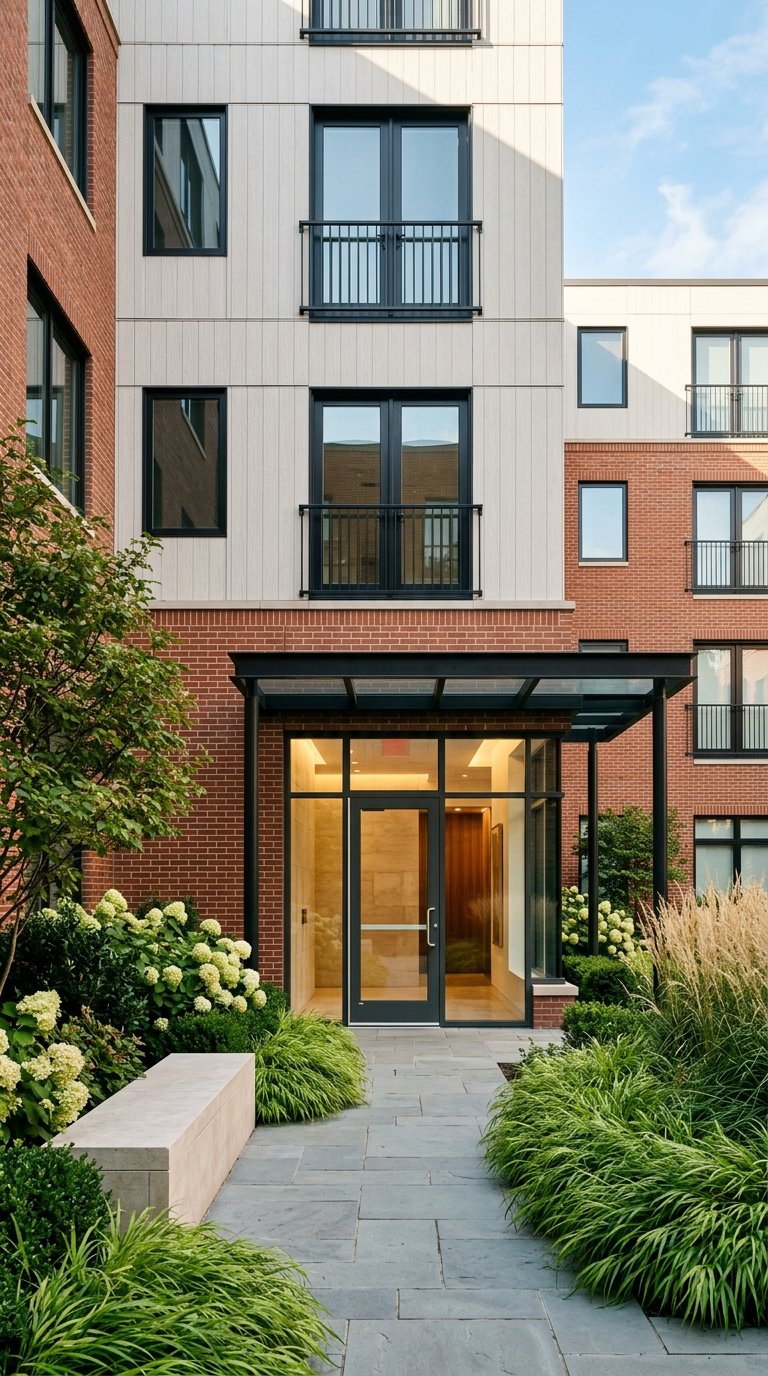
If you own a condo, the development boom likely affects you more directly. New condo and rental-style buildings set a higher standard for amenities, presentation, and convenience, especially downtown.
Older condos can still sell well, but buyers tend to be more selective. They will look closely at condition, building reputation, parking, layout, carrying costs, and how the home shows compared with newer alternatives.
Downtown data reflects that mixed picture. Redfin shows a median sale price of $676,000 over the last three months, up 40.8% year over year, but also about 41 days on market and average sales at roughly 2% below list price.
Recent downtown condo closings ranged from about $349,000 to roughly $545,700. One two-bedroom unit at 100 New Roc City Place sold for $450,000, or 10% below list, after 35 days, which shows that improvement in the area does not eliminate buyer price sensitivity.
How condo sellers can compete
If you are selling an older condo, focus on the features buyers can feel right away:
- Updated kitchens and baths
- Fresh paint and lighting
- Clean, uncluttered presentation
- Strong listing photography
- Clear value versus newer buildings
- Practical advantages like parking or storage, if applicable
In this segment, presentation and pricing often carry more weight than broad market momentum.
Single-family homes may benefit differently
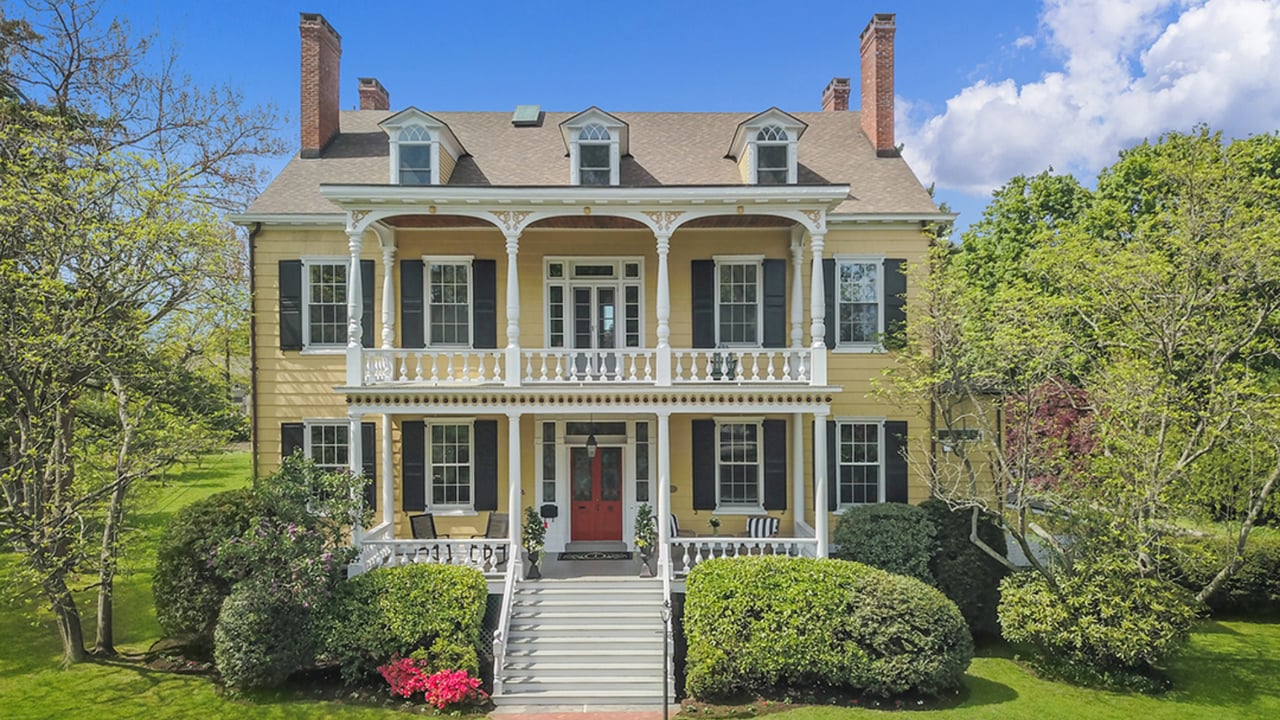
Single-family homes often have a different competitive position. They can offer things many new towers cannot, such as more privacy, a yard, and larger living space.
That makes the development boom more of a tailwind for some sellers. Buyers drawn to New Rochelle’s improved downtown, transit access, and investment story may still choose an established home if they want space and separation from denser living.
Recent July 2026 sales support that idea. Citywide examples include 131 Fenimore Road, which sold 11% over list, and 88 Marion Drive, which sold 18% over list, though both took 73 to 105 days to close.
The takeaway is important: strong single-family homes can still command excellent results, but even successful sales may require patience, careful preparation, and the right launch strategy.
Does downtown or train proximity help?
In general, proximity to downtown improvements and the train station can strengthen buyer interest, especially for people who value commuting convenience and walkable access to services. The transit center redesign and the LINC corridor are intended to improve connections, safety, green space, and retail access, all of which can shape how buyers view nearby homes.
Still, location benefits are not one-size-fits-all. A home near transit may appeal strongly to one buyer and less to another, depending on lifestyle needs, parking, noise tolerance, and property type.
For sellers, this means location should be framed thoughtfully. If your home benefits from easy access to downtown or Metro-North, that can be part of the value story, but it should be supported by pricing and presentation, not used as a shortcut for overpricing.
Future supply is still part of the story
One reason sellers should stay grounded is that New Rochelle is still in the middle of change. The city’s 2026 DOZ amendments are meant to better reflect current market conditions and observed absorption patterns, while updating frontage, sustainability, parking, and missing-middle standards.
Commercial revitalization is also still evolving. In February 2026, the city reported commercial vacancy rates of 13.89% citywide and 19.27% downtown, alongside a vacant storefront registry and a retail tenant-improvement fund.
That tells you something important: New Rochelle’s long-term story may be positive, but it is still unfolding. Buyers know that, and many will price future upside cautiously rather than pay in advance for it today.
Should you price for today’s comps or tomorrow’s growth?
For most sellers, the answer is today’s comps. Buyers make offers based on what they can compare right now, not on what a neighborhood might look like after several more years of deliveries and leasing activity.
Future growth can support your marketing story, but it should not replace current evidence. If you price as though every planned project is already complete and fully absorbed, you risk sitting on the market while newer and better-positioned listings shape buyer expectations.
A better approach is to use current comparable sales, then adjust for your home’s condition, location, layout, and how directly it competes with new development. That creates a strategy rooted in reality, not wishful thinking.
Which updates matter most right now?
If your home will compete in a market shaped by new development, focus first on improvements that sharpen buyer confidence. You do not need to turn an older property into a new building, but you do need to reduce friction.
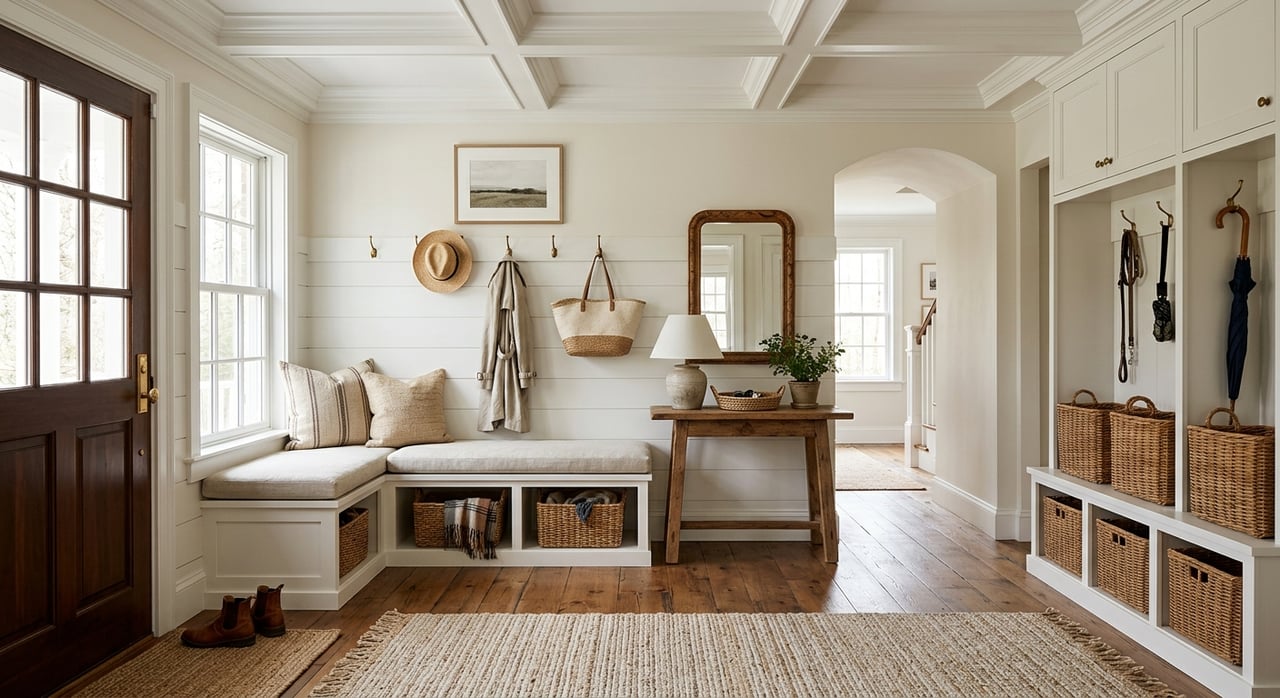
The most valuable updates are often the least flashy. Clean condition, working systems, fresh paint, repaired details, and a polished first impression can go a long way.
High-impact prep priorities
- Paint in fresh, neutral tones
- Repair visible wear and deferred maintenance
- Improve lighting and brightness
- Edit furniture for better flow
- Refresh kitchens and baths where practical
- Strengthen curb appeal or entry appeal
- Stage to highlight space and function
For many sellers, the goal is not a full renovation. The goal is to present a home that feels well cared for, easy to understand, and worth the asking price.
What sellers should do next
If you are considering a sale, this is not a market for guesswork. New Rochelle’s development boom can absolutely help your home attract attention, but buyers are looking carefully and comparing every option.
The sellers who tend to win are the ones who prepare early, price accurately, and tell a clear story about why their home is the right choice in a changing market. That is especially true if your property sits near downtown, competes with newer condos, or needs thoughtful positioning against future supply.
With the right plan, growth does not have to be something you react to. It can be something you use.
If you want a calm, data-informed plan for selling in New Rochelle, Jenny Jaffe can help you prepare, position, and market your home with hands-on guidance from start to finish.
FAQs
How does new development in New Rochelle affect my home sale?
- New development can increase buyer interest in New Rochelle, but it can also create more competition. Your result will depend on how your home compares on price, condition, location, and overall presentation.
Are condos in New Rochelle more affected by new construction than single-family homes?
- Yes. Condos are generally more exposed because buyers can compare them more directly with newer buildings that offer modern amenities, retail access, and transit convenience.
Should I price my New Rochelle home based on future development?
- Usually no. It is smarter to price from current comparable sales and current buyer behavior, while using future growth as supporting context rather than the main pricing logic.
Does being near downtown New Rochelle or the train station help my home sell?
- It can. Buyers often value convenient access to downtown improvements and Metro-North, but the impact depends on your property type, presentation, and the preferences of likely buyers.
What improvements matter most when selling an older home or condo in New Rochelle?
- The biggest priorities are usually clean condition, fresh paint, repairs, lighting, staging, and updates that make the home feel move-in ready and competitive with newer nearby options.